What are Insecticides?
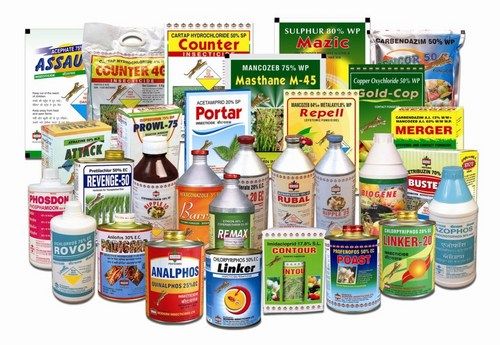
Insecticides are substances used to control or kill harmful insects that damage crops, spread diseases, or affect health and livestock.
They can be chemical (synthetic) or biological (natural-derived).
Key points:
- Purpose
- Main types
- Balanced use
Types: Chemical vs Bio-Insecticides
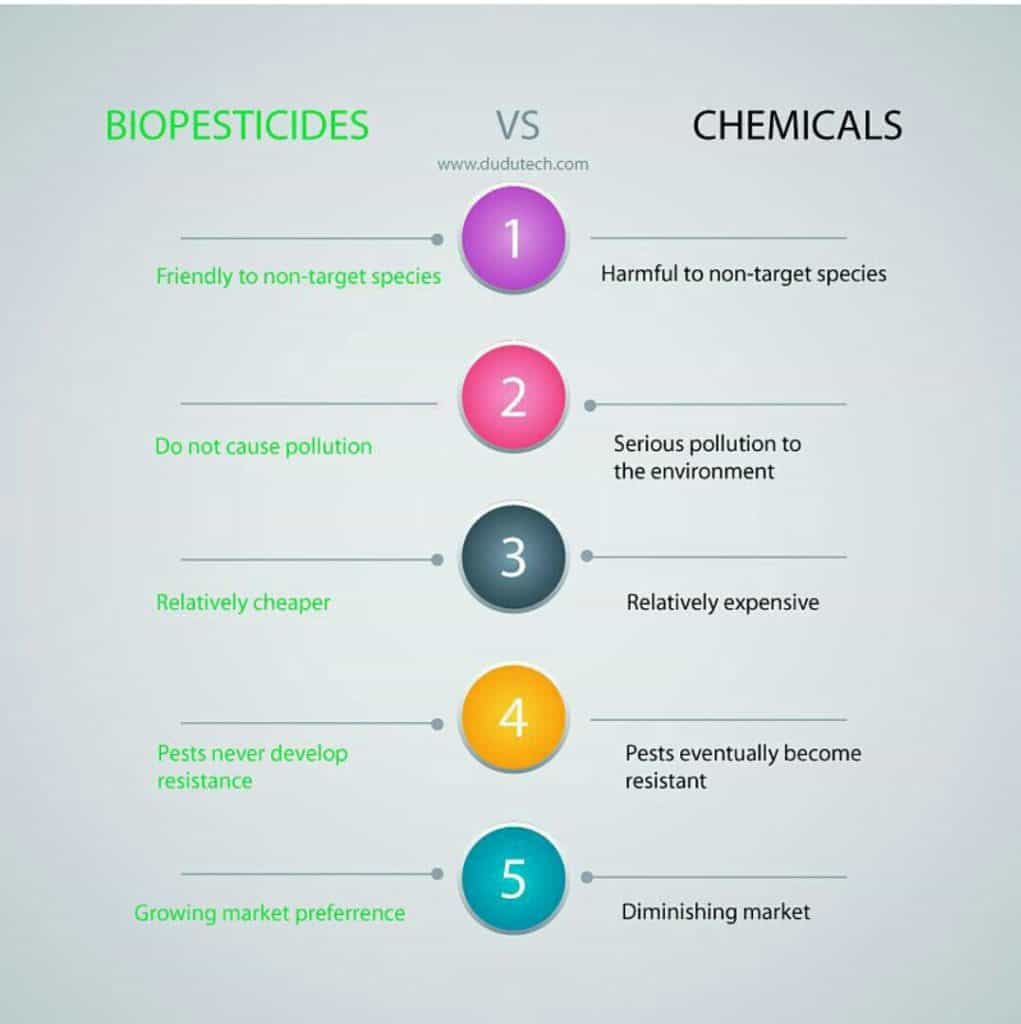
Chemical: Synthetic, quick action; Bio: Natural (plants, microbes), safer long-term.
Comparison:
- Chemical Insecticides
- Bio-Insecticides
- Bio example
Positive Impacts
Insecticides protect crops, increase yields, and help ensure food security.
Key benefits:
- Increased yields
- Public health
- Eco-friendly options
Negative Impacts
Main risks come from overuse of chemical types; bio types have lower impact.
Main concerns:
- Non-target effects
- Environmental & health
- Resistance
Application Methods
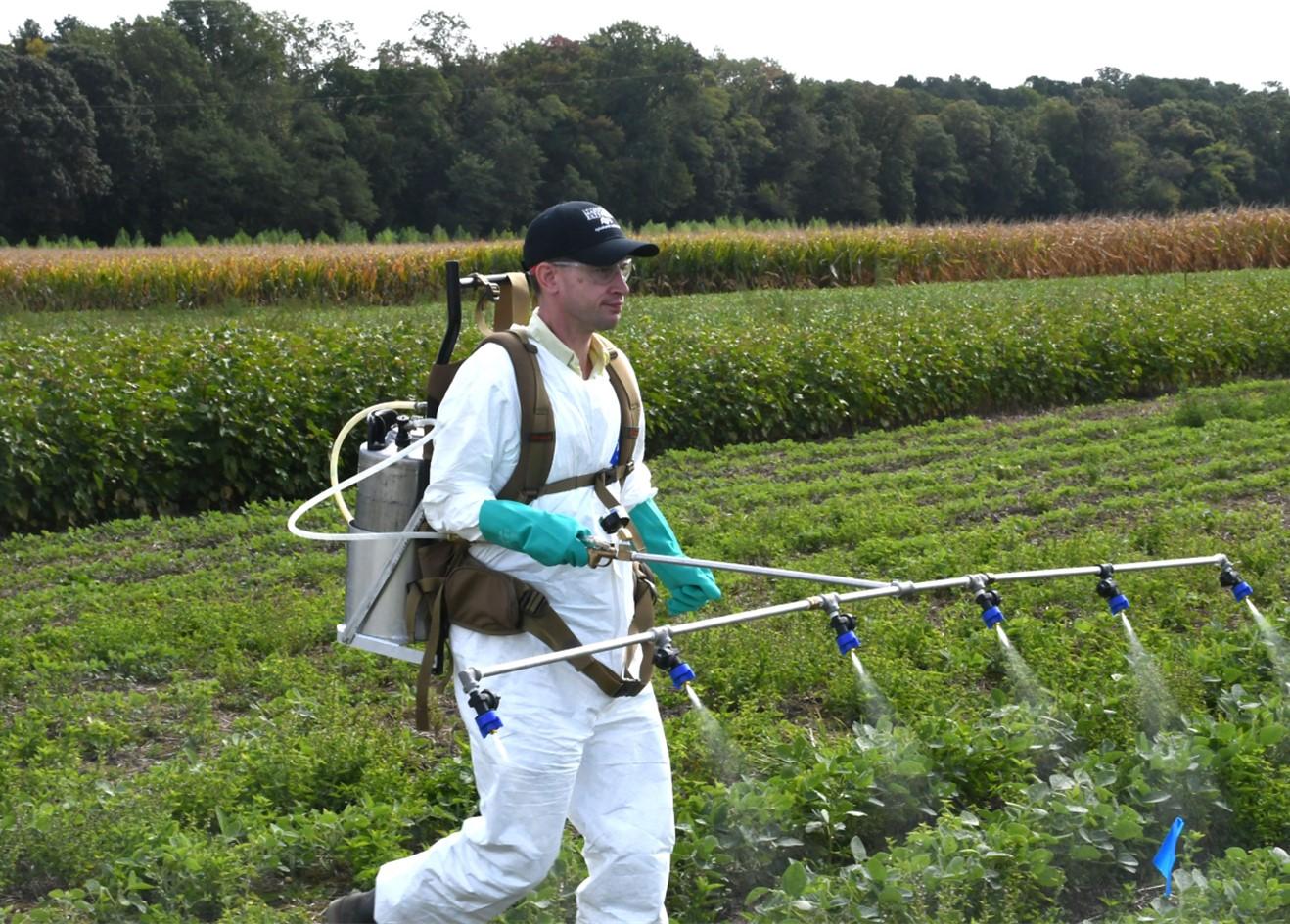
Common ways: foliar spray, soil drench, seed treatment.
Click each method to see illustration:
- Foliar spraying
- Soil drenching
- Seed treatment
Jholmal Preparation (Nepali Bio-Insecticide)

Jholmal: Traditional Nepali fermented bio-pesticide using plants, cow urine & water.
Click each step to see photo:
- Step 1: Collect & chop plants
- Step 2: Add cow urine
- Step 3: Add water & mix
- Step 4: Ferment
- Step 5: Strain & apply