What are Fungi?
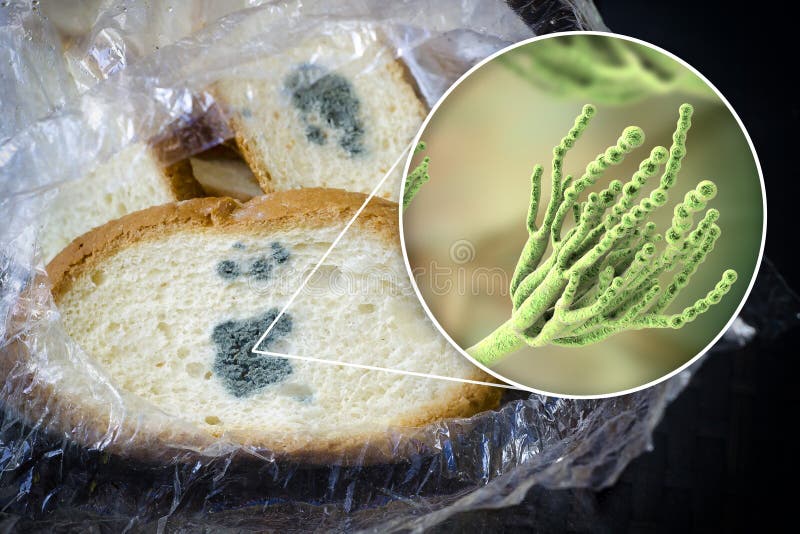
Fungi are living organisms different from plants and animals.
They form their own kingdom — Kingdom Fungi.
Examples: mushroom, yeast, mould on bread, Penicillium
Quick facts:
- Heterotrophic
- Chitin wall
- Love humidity
Main Characteristics of Fungi
Fungi are eukaryotic organisms with special features.
Key characteristics:
- Eukaryotic
- Non-photosynthetic
- Glycogen storage
- Spore producers
Body Structure of Fungi

Except yeast, most fungi have thread-like body.
Important terms:
- Hyphae
- Mycelium
- Septate hyphae
- Unicellular → Yeast
How Fungi Get Food?
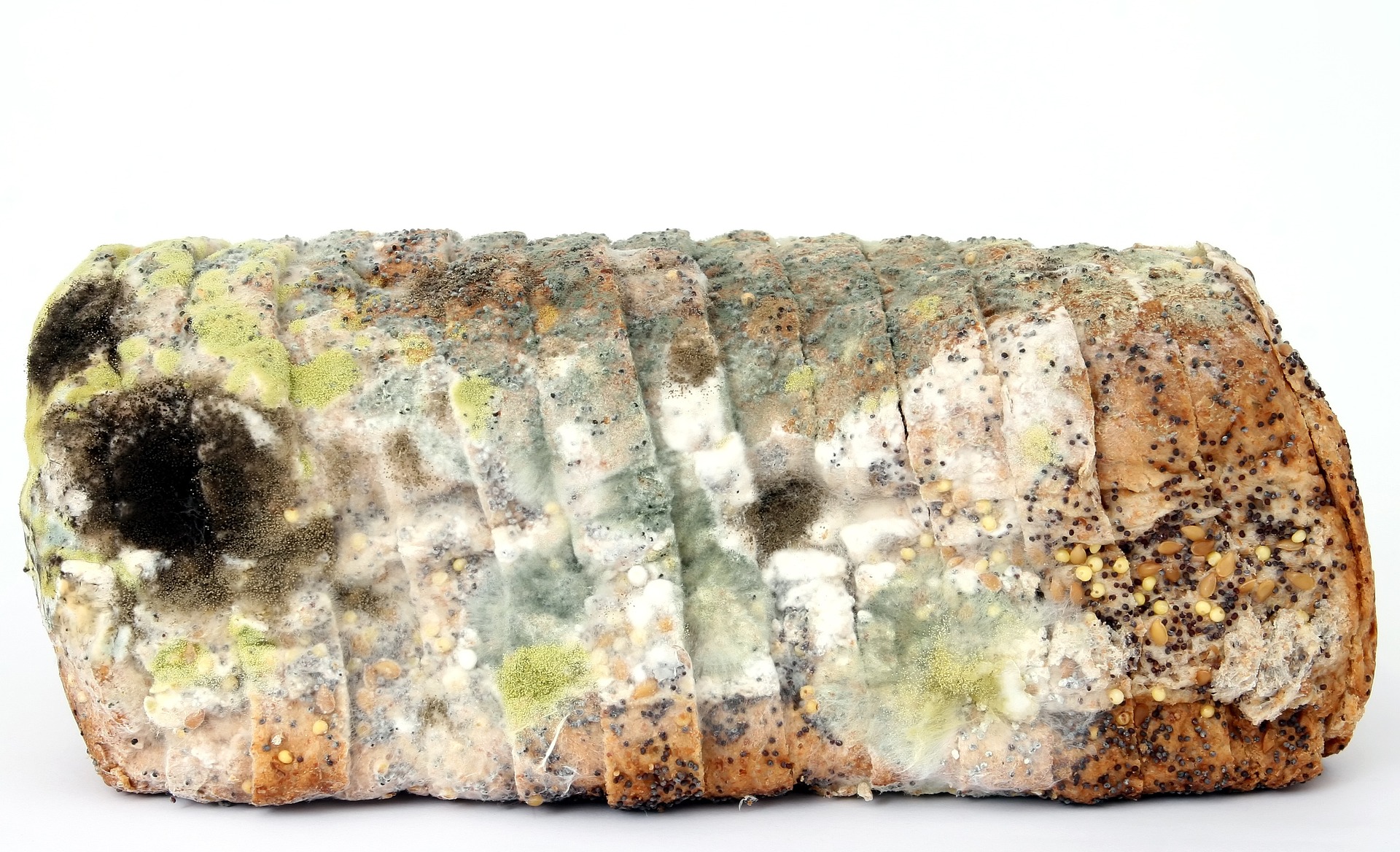
Fungi cannot make food → they absorb ready-made food.
Main types:
- Saprophytes (most common)
- Parasites
- Symbiotic
How Fungi Reproduce?

Fungi mainly reproduce by very small spores.
Two main ways:
- Asexual reproduction
- Sexual reproduction
- Spores are very small
Main Groups of Fungi
Fungi are divided into classes based on reproduction.
Important groups:
- Phycomycetes
- Ascomycetes
- Basidiomycetes
- Deuteromycetes
Importance of Fungi
Fungi are both useful and harmful.
Useful effects:
- Yeast fermentation
- Antibiotics
- Nature's recyclers
Harmful effects:
- Food spoilage
- Diseases