🌱 What is Variation?
Differences among individuals of the same species
🌱 Concept of Variation
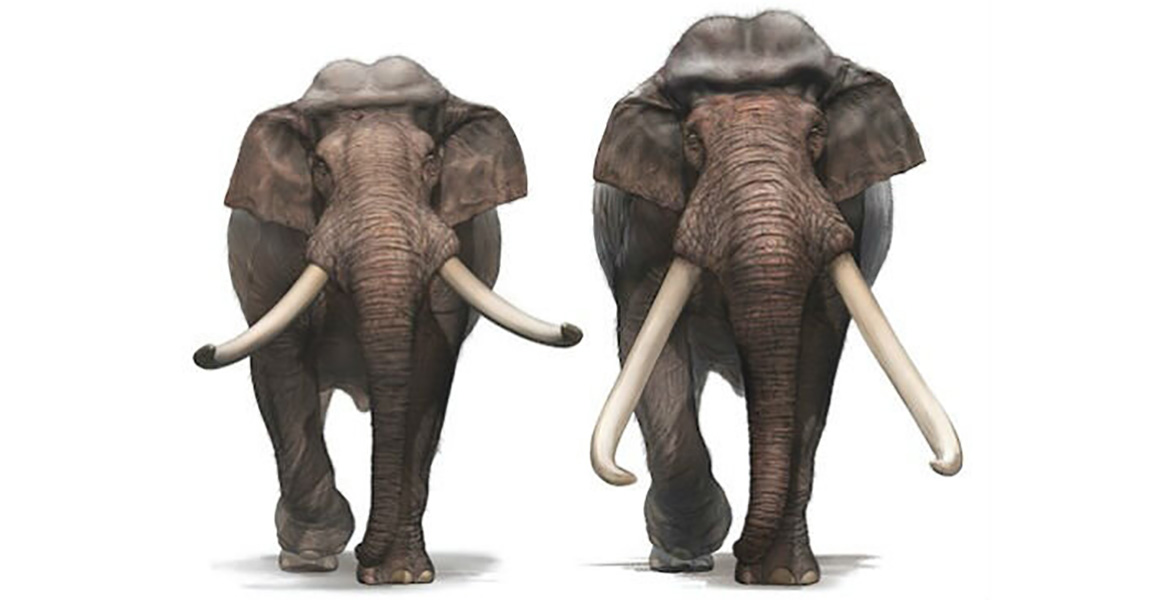
Variation refers to the differences that exist between individuals of the same species. These differences make each organism unique and are fundamental to the diversity of life on Earth.
Examples of Variation:
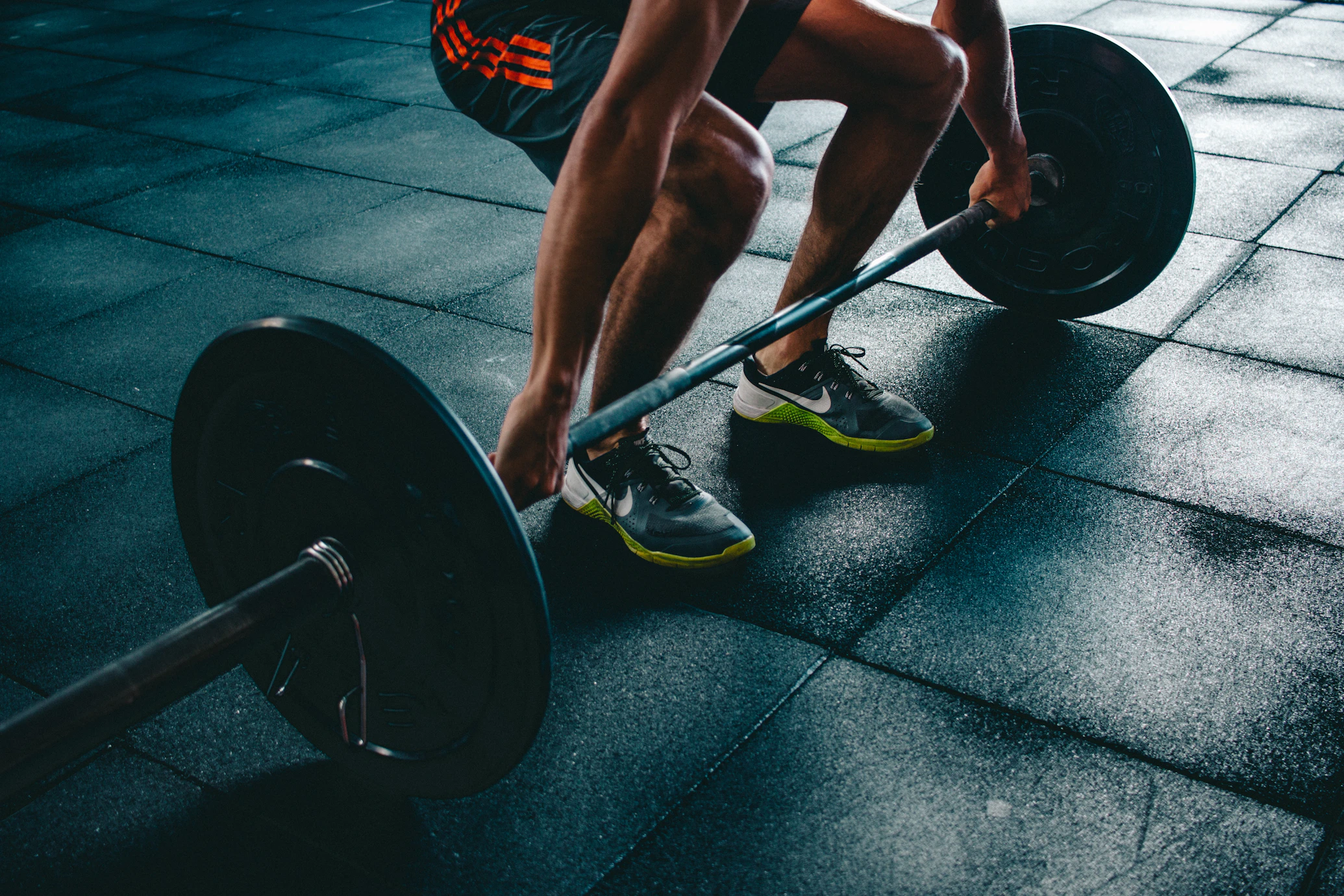
- Physical characteristics: Height, weight, body structure
- Appearance: Skin tone, eye color, hair type and color
- Physiological traits: Blood type, metabolic rate

🌟 Importance of Variation
Variation plays a crucial role in the survival and evolution of species:
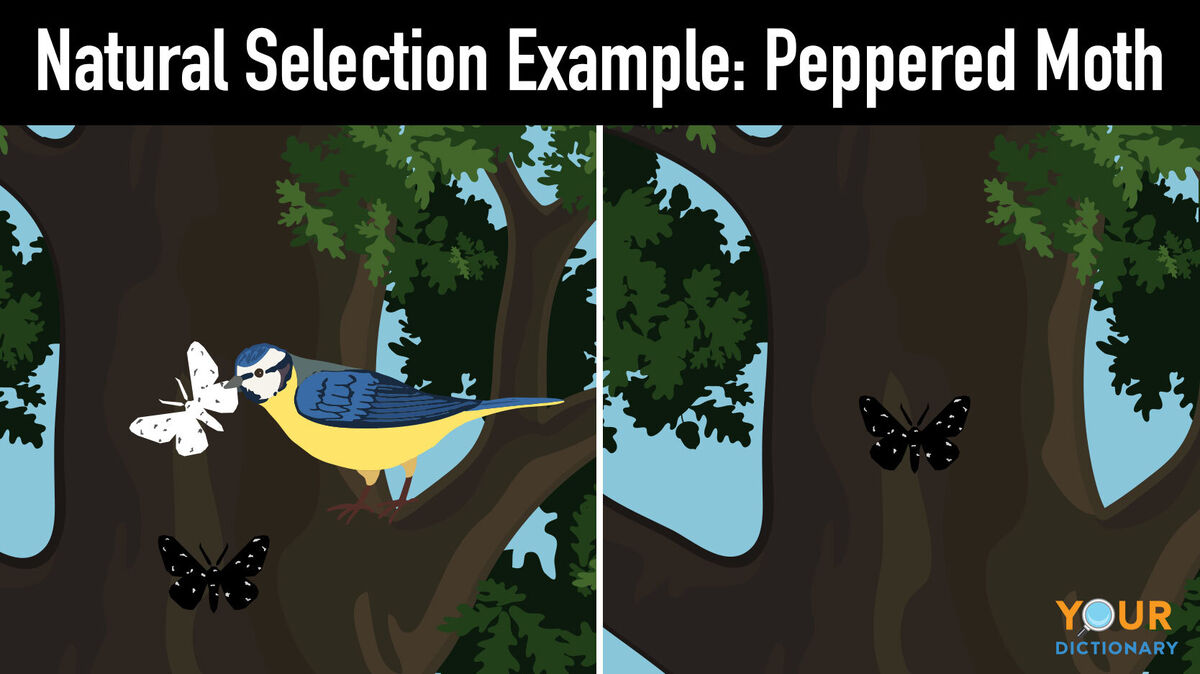
- Adaptation: Variation provides the raw material for natural selection, allowing species to adapt to changing environments
- Survival: Genetic diversity helps populations survive diseases, climate changes, and other challenges
- Evolution: Without variation, evolution would not be possible
- Breeding: Variation is essential for selective breeding in agriculture and animal husbandry
⚡ Mutation
Sudden changes in genetic material
What is Mutation?
Mutation is a sudden, random change in the DNA sequence of an organism. Mutations are the ultimate source of all genetic variation and can occur naturally or be induced by external factors.
Types of Mutations:
- Gene mutations: Changes in individual genes
- Chromosomal mutations: Changes in chromosome structure or number
- Point mutations: Single nucleotide changes
- Frameshift mutations: Insertions or deletions that shift the reading frame
Causes of Mutations:
- Spontaneous errors: Mistakes during DNA replication
- Radiation: UV light, X-rays, gamma rays
- Chemical mutagens: Certain chemicals that damage DNA
- Biological agents: Viruses and transposons
📝 Knowledge Quiz
Test your understanding of Variation and Mutation