Introduction to Bioenergy
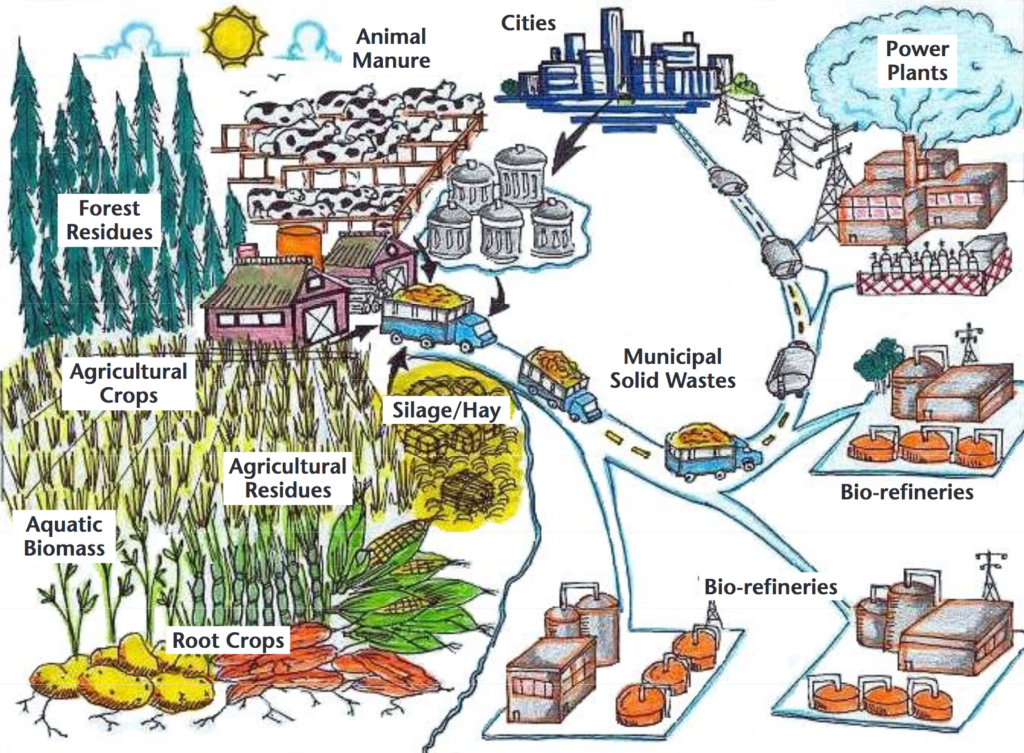
- Energy produced from organic materials (biomass)
- Comes from plants, animals, and waste
- Renewable – can be regrown or re-produced
- Main forms: Briquettes (solid) and Biogas (gas)
- Helps reduce waste and fossil fuel use
What is Biomass Energy?
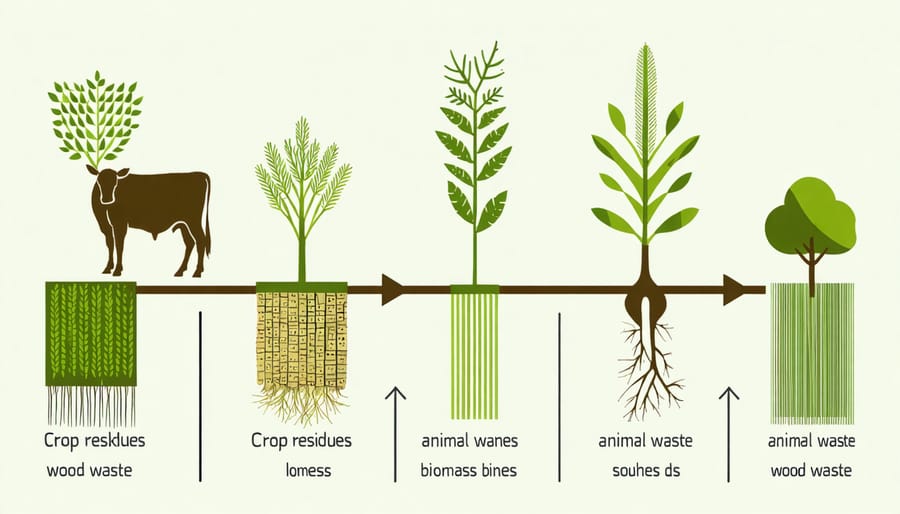
- Energy from organic matter (plants & waste)
- Stores solar energy via photosynthesis
- Released by burning or bacterial decomposition
- Examples: Crop residues, wood waste, animal dung, kitchen waste
- Eco-friendly alternative to coal & firewood
Briquettes
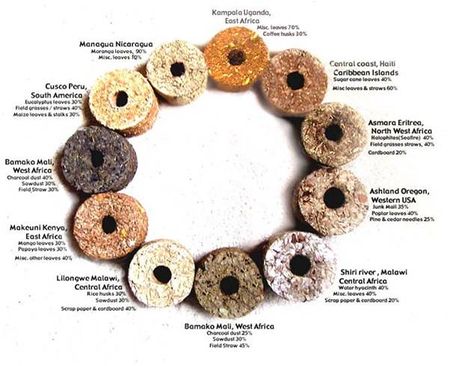
- Compact blocks made from compressed biomass waste
- Burn longer, cleaner, and more efficiently than loose biomass
- Two main types: Non-carbonized & Carbonized
- Used for cooking, heating, and industrial fuel
Non-Carbonized Briquettes

- Made directly from raw biomass (no charring)
- Cheaper and simpler to produce
- Good binding with natural starches or binders
- May produce more smoke than carbonized type
Carbonized Briquettes

- Biomass first charred into charcoal
- Then compressed into briquettes
- Burns very cleanly with almost no smoke
- Higher heat output and longer burn time
Uses of Briquettes
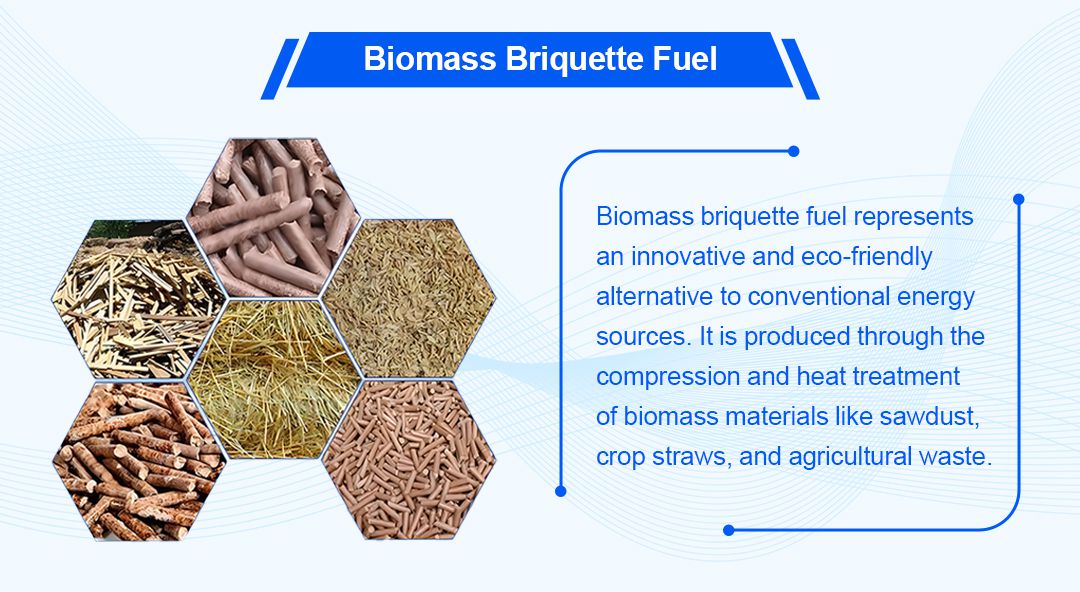
- Household cooking and heating
- Industrial boilers and furnaces
- Small-scale power generation
- Alternative to charcoal and firewood
Advantages of Briquettes
- Utilizes agricultural & household waste
- Cheaper than traditional fuels
- Reduces deforestation
- Less smoke → better health
- Easy to store & transport
Advantages of Biogas
- Smokeless cooking → improves health
- Uses animal & kitchen waste
- Produces nutrient-rich fertilizer
- Reduces greenhouse gas emissions
- Provides energy in rural/off-grid areas
Live Biogas Production Simulation
Drag ingredients into the digester, simulate fermentation, and produce biogas to power the stove.
Add Ingredients
Drag items into the digester to fill it.
Fermentation Control
Day 0
Gas Usage
Open valve to allow gas flow. Ignite stove only when gas is available.