What are Wetlands?
Wetlands are areas where water covers the soil or is present at or near the surface for
most or all of the year. They form the vital link between land and water ecosystems.
Key points (click to reveal):
Definition
Land areas saturated or flooded with water permanently or seasonally.
Role in nature
Bridge between terrestrial and aquatic ecosystems.
Nickname
Often called “Earth’s kidneys” because they filter and clean water.
🌱 Fun Fact: Wetlands cover only about 6% of Earth’s land surface but support an incredibly high level of biodiversity!
Main Types of Wetlands
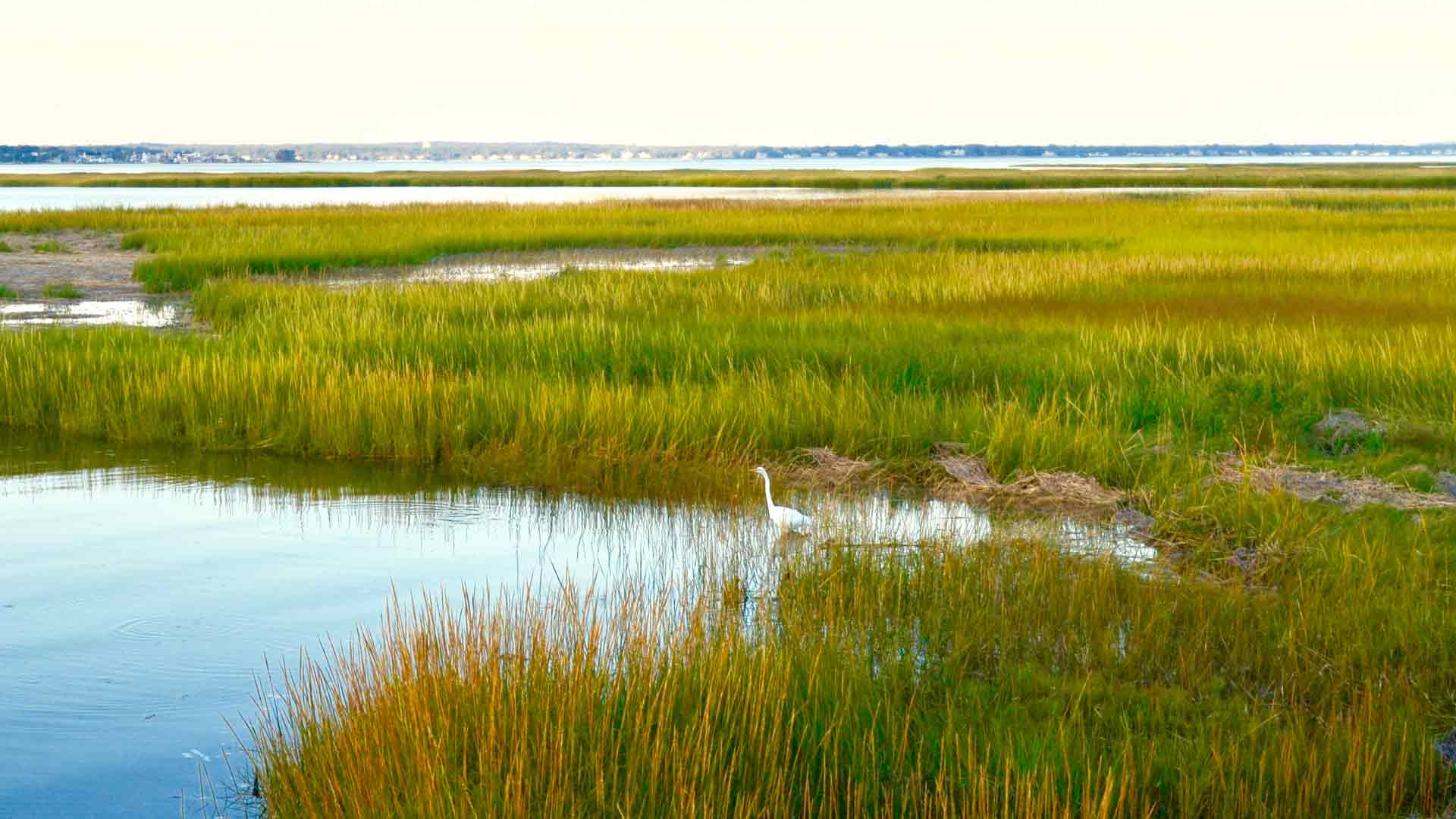
Wetlands vary greatly depending on location, water source, and vegetation.
Main types (click to reveal and change image):
Marshes
Dominated by grasses, reeds, and herbaceous plants. Often found along rivers and coasts.
Swamps
Dominated by trees and shrubs. Usually in areas with slow-moving water.
Bogs
Acidic, nutrient-poor wetlands with thick peat layers and moss.
Fens
Less acidic, mineral-rich, fed by groundwater. Support sedges and grasses.
Mangroves
Tropical coastal wetlands with salt-tolerant trees. Protect shorelines.
Why Wetlands Matter
Wetlands provide essential services that support both nature and human well-being.
Key benefits (click to reveal):
Water Filtration
Naturally trap sediments and pollutants — cleaning water before it reaches rivers.
Flood Control
Act like giant sponges — absorb excess rainwater and reduce flooding.
Wildlife Habitat
Support huge biodiversity — breeding grounds for birds, fish, and amphibians.
Climate Regulation
Store large amounts of carbon in peat — help mitigate climate change.
💧 More than 40% of all known species depend on wetlands!
Why Are Wetlands Disappearing?
More than 35% of the world’s wetlands have been lost since 1970.
Main threats (click to reveal):
Drainage for Development
Land converted to farmland, housing, and industry.
Pollution
Chemicals, fertilizers, and plastics poison the water and soil.
Climate change
Rising sea levels and droughts damage delicate ecosystems.
🌍 Once destroyed, wetlands are very difficult and expensive to restore.
How Can We Protect Wetlands?
Everyone can help — small actions add up to big protection.
Ways to help (click to reveal):
Reduce pollution
Never dump waste, chemicals, or oil into drains or rivers.
Save water
Fix leaks and use water wisely to keep wetlands healthy.
Plant native trees
Help prevent soil erosion and filter water naturally.
Join clean-ups
Participate in local wetland clean-up days.
🌱 Together, small actions create big change for our planet!