Vascular Plants – The Story of Seeds

Evolution from spores → naked seeds → enclosed seeds in fruits
Three major groups we study:
- Pteridophytes – Ancient spore-bearers
- Gymnosperms – Naked seed plants
- Angiosperms – Flowering plants
Side-by-Side Comparison
| Feature | Pteridophytes | Gymnosperms | Angiosperms |
|---|---|---|---|
| Reproduction | Spores | Seeds (naked) | Seeds (in fruit) |
| Water for fertilization | Required | Not required | Not required |
| Vascular tissue | Present | Well-developed | Most advanced |
| Leaves | Large fronds | Needle/scale-like | Broad & diverse |
| Flowers | Absent | Absent (cones) | Present |
| Fruits | Absent | Absent | Present |
| Examples | Ferns, horsetails | Pine, spruce, cycads | Rose, mango, grass |
| Dominant phase | Sporophyte | Sporophyte | Sporophyte |
3. Pteridophytes (Ferns & Allies)

First true vascular plants → still dependent on water for reproduction
- Vascular tissue present
- Spore reproduction
- Water needed for fertilization
- Lifecycle alternation
- Common examples
🔬 Pteridophytes Microscope Lab
Explore fern structures under the microscope. Observe sporangia, spores, and vascular tissues.
👁️
4. Gymnosperms (Naked Seed Plants)
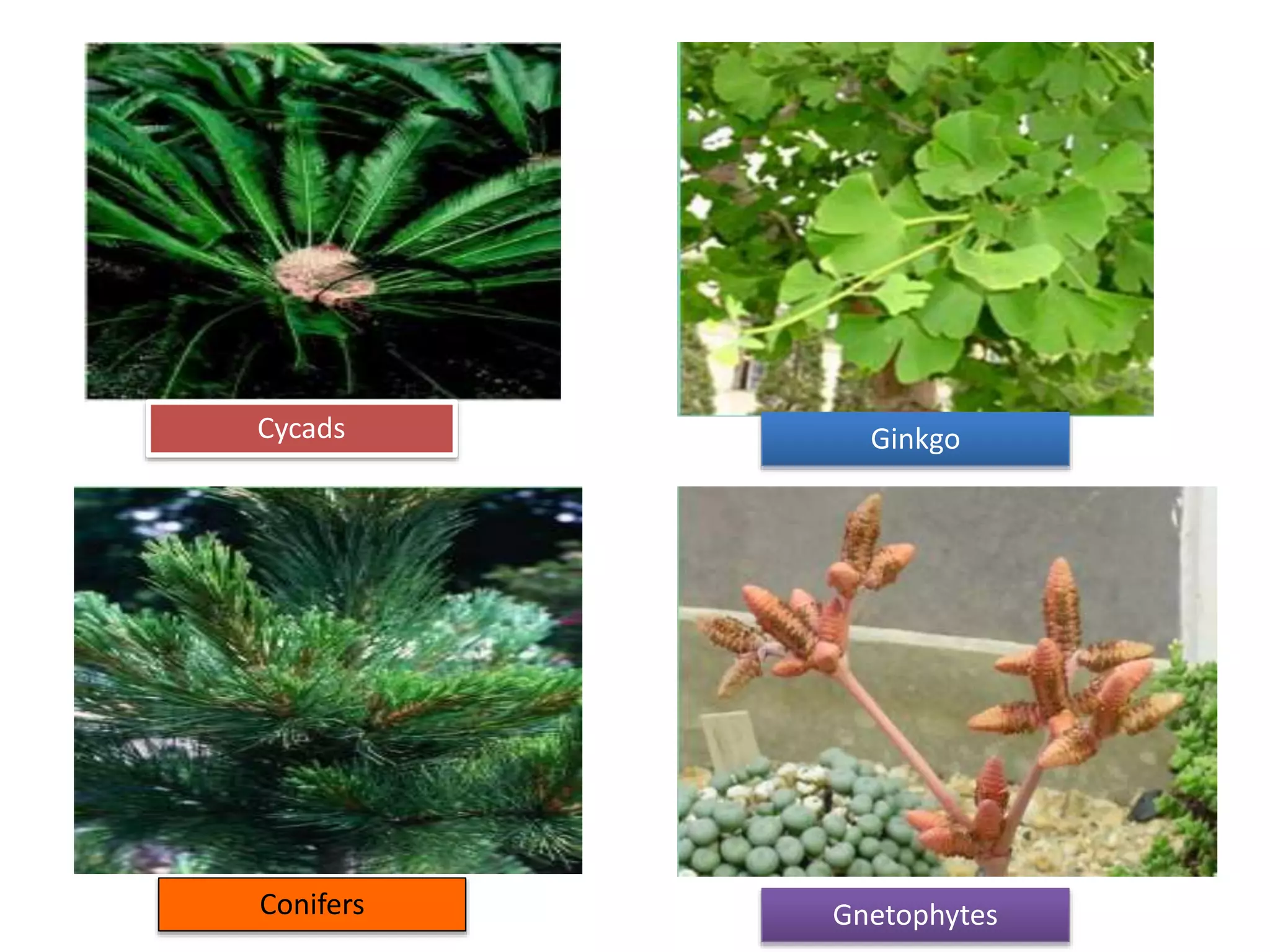
First seed plants → no longer need water for fertilization!
- Naked seeds
- Pollen for reproduction
- Cones instead of flowers
- Adapted to dry/cold climates
- Common examples
🔬 Gymnosperms Microscope Lab
Study gymnosperm structures. Observe pollen grains, ovules, and needle cross-sections.
👁️
5. Angiosperms (Flowering Plants)
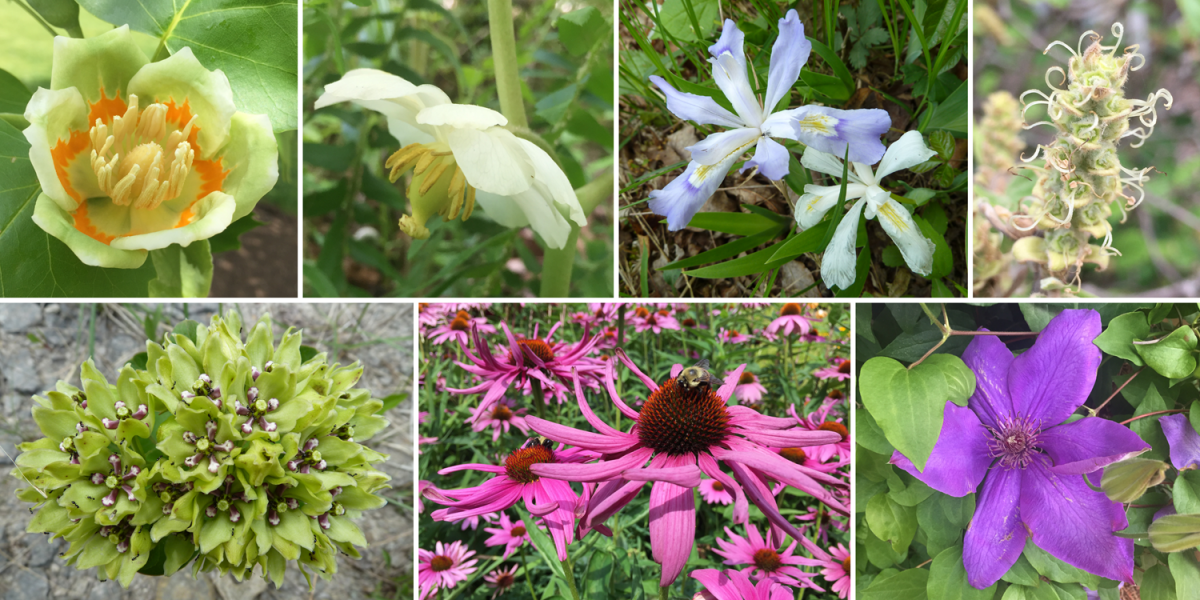
Most advanced & diverse plant group → flowers and fruits!
- Seeds in fruits
- Flowers present
- Monocots & Dicots
- Advanced fertilization
- Dominant on Earth
🔬 Angiosperms Microscope Lab
Examine flowering plant structures. Observe pollen, ovules, and flower parts in detail.
👁️