What is Biological Classification?
Biological classification (taxonomy) is the process of organizing and grouping living organisms based on their characteristics, similarities, and evolutionary relationships.
Purpose: To understand relationships between organisms and organize the diversity of life.
Key principles:
- Grouping
- Hierarchy
- Evolutionary basis
Taxonomic Hierarchy (KPCOFGS)
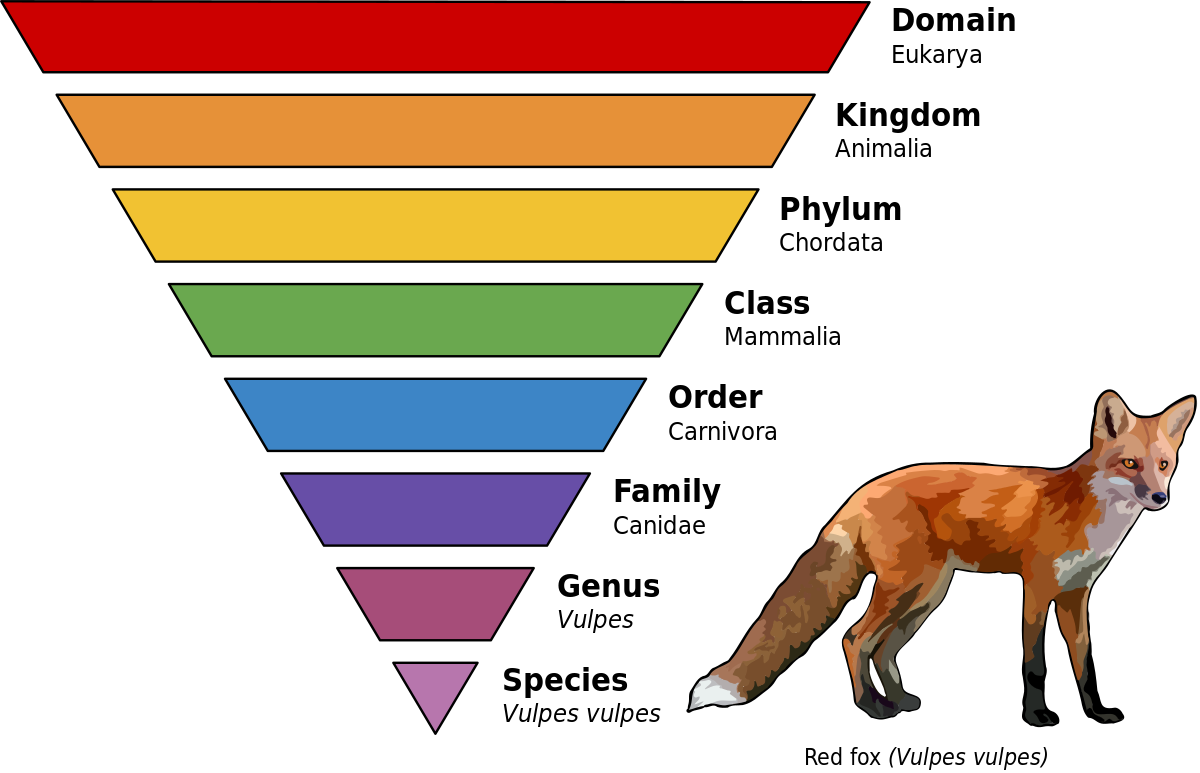
Mnemonic: KPCOFGS
"King Philip Came Over For Good Soup"
Example (Human):
- Kingdom: Animalia
- Phylum: Chordata
- Class: Mammalia
- Order: Primates
- Family: Hominidae
- Genus: Homo
- Species: sapiens
Five Kingdoms of Life
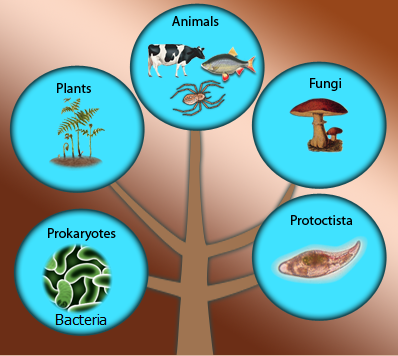
Key characteristics:
- Monera: Bacteria
- Protista: Amoeba, Algae
- Fungi: Mushroom, Yeast
- Plantae: Trees, Grass
- Animalia: Humans, Insects
Evolution Basics
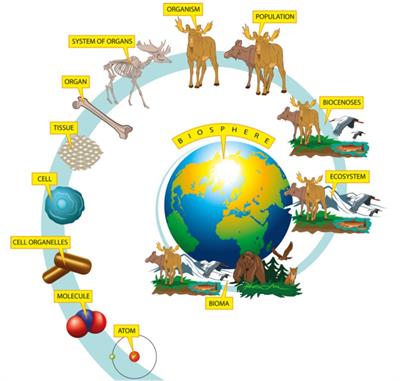
Evolution is the gradual change in characteristics of populations of organisms over generations through natural selection.
Charles Darwin's Theory: Organisms with advantageous traits survive and reproduce, passing these traits to offspring.
Key concepts:
- Variation
- Overproduction
- Struggle for existence
- Survival of the fittest
- Heredity
Evidence of Evolution
Evolution is supported by multiple lines of evidence from different scientific fields:
- Homologous Structures
- Vestigial Structures
- Fossils
- Molecular Evidence
- Embryological Evidence
- Observation
Evolutionary Tree (Phylogenetic Tree)
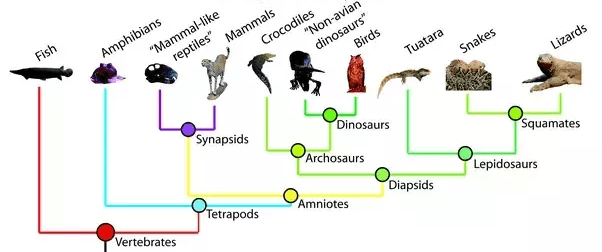
A phylogenetic tree shows the evolutionary relationships between different organisms based on their shared ancestors.
Understanding branching:
- Monophyletic groups
- Recent vs Ancient
- Parallel evolution